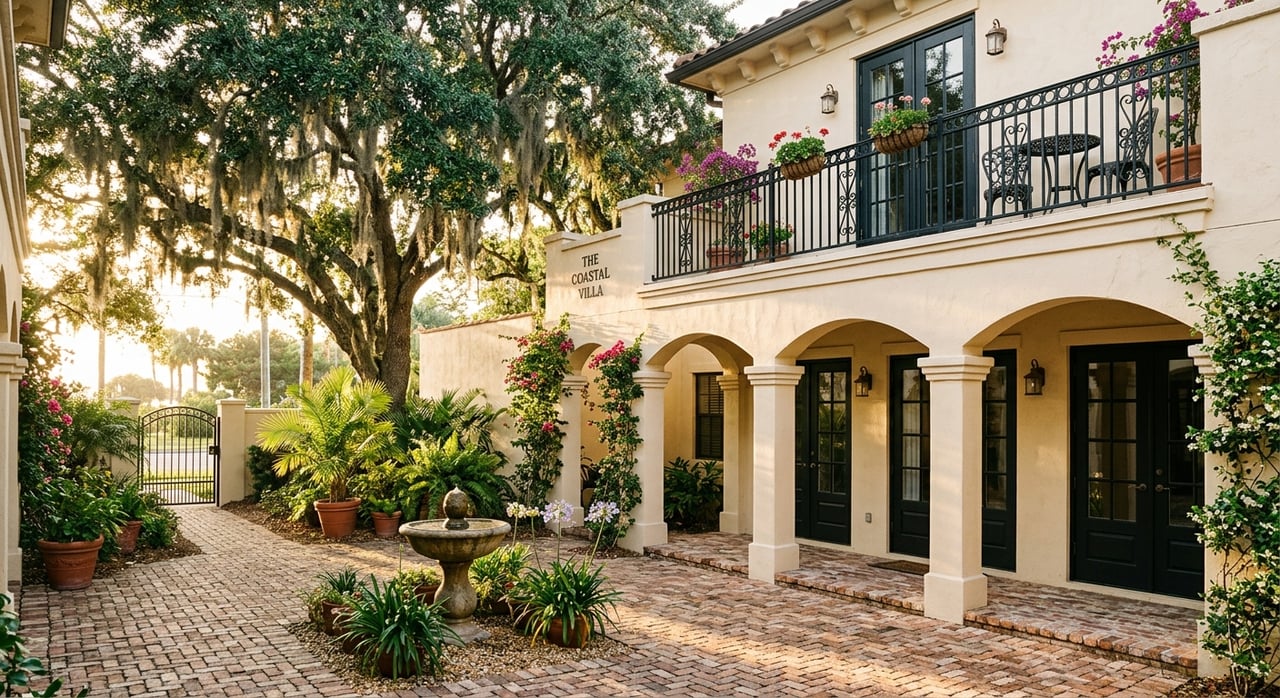
Dreaming about a place where weekend getaways feel easy, beach time is part of your routine, and your second home can double as a long-term lifestyle investment? If you are considering your first vacation home on St. Simons Island, you are not alone. This coastal market blends resort appeal with a real year-round residential base, which makes it exciting but also important to understand before you buy. In this guide, you will learn how to think through location, property use, rental rules, taxes, and insurance so you can make a confident decision. Let’s dive in.
Why St. Simons Stands Out
St. Simons Island is the largest island in the Golden Isles and sits along the Georgia coast between Savannah and Jacksonville. It is widely recognized as a resort destination, but it is also a lived-in residential market with 14,982 residents counted in the 2020 census.
That year-round housing base matters when you are buying your first vacation home. According to U.S. Census QuickFacts, the owner-occupied housing rate is 86.6%, and the median owner-occupied home value was $484,100 based on 2019 to 2023 ACS data. In simple terms, you are not buying into a tourist-only setting. You are entering a market where people also own, live, and stay long term.
What First-Time Buyers Should Know
A first vacation home usually comes with two goals at once. You want a place that feels rewarding to use now, and you also want a property that fits your budget, habits, and future plans.
On St. Simons, that means looking beyond pretty photos and asking practical questions. How often will you visit? Do you want to walk to dining and shops? Are you hoping to rent the home for short stays when you are not there? Would you rather have beach access, a quieter setting, or a more residential feel?
Choose the Right Island Area
Village and Pier Village
If convenience is high on your list, the Village and Pier Village area may be a strong fit. Official Golden Isles guidance describes this area as walkable and central, with restaurants, boutiques, and waterfront views.
For a first-time buyer, that can mean a lower-friction vacation routine. You can arrive, park, and enjoy more of your time without needing to drive for every outing. If your ideal second home is a simple home base for repeat stays, this area is worth a close look.
East Beach
East Beach is known for classic beachfront living and a mix of vacation homes and cottages. Official tourism guidance also notes that vacation rentals are especially popular here, from cozy cottages to larger oceanfront homes.
If your vision of a vacation home starts with beach access, this part of the island may feel especially appealing. It can also be important if you are thinking about guest use patterns or short-term rental potential, since this is one of the island areas where vacation-oriented ownership is clearly part of the landscape.
Mid-Island
Mid-Island has a more residential feel and includes condos, townhomes, and vacation rentals. For some first-time buyers, this can create a nice middle ground between island lifestyle and everyday ease.
If you want a place that feels less centered on constant visitor traffic, Mid-Island may deserve attention. It can also open the door to different property types, which is helpful when you are balancing price point, maintenance, and how often you plan to use the home.
North End
The North End is described as quieter, less developed, and more nature-focused. If your goal is privacy and a slower pace, this area may align better with how you want to spend your time on the island.
For some buyers, that quieter setting becomes the whole point of owning a second home. If you picture mornings outdoors, less activity around you, and a retreat-like atmosphere, the North End may be a strong match.
Sea Island Road Corridor
The Sea Island Road corridor is known for scenic surroundings and proximity to golf and marinas. For buyers drawn to a polished coastal setting, this part of the island can offer a very different feel from the walkable village core or beach-focused areas.
This is where it helps to think carefully about your real lifestyle, not just your wishlist. The best vacation home is usually the one you will actually use often and enjoy with the least stress.
Think About How You Will Use It
Before you narrow down homes, define what success looks like for your purchase. A vacation home that works beautifully for one buyer may feel inconvenient to another.
Ask yourself:
- Will you use the home for quick weekend trips or longer stays?
- Do you want to walk or bike to common destinations?
- Do you prefer a lock-and-leave condo, a townhome, or a detached home?
- Will guests use the home often?
- Do you want the option to pursue short-term rentals?
St. Simons supports a repeat-trip lifestyle in part because key visitor areas are genuinely walkable. Official tourism materials note that the island is quite walkable, especially around village areas, beaches, and Pier Village, with scenic paths that make strolling and biking easy.
Access Matters More Than You Think
A vacation home tends to get used more when getting there feels simple. St. Simons Island is reached by the F. J. Torras Causeway, which connects with U.S. 17.
Travel convenience also supports repeat use. Golden Isles travel information notes that Brunswick Golden Isles Airport is a short drive from the barrier islands, with direct daily flights from Atlanta into BQK, and private flights can be accommodated at St. Simons Island Airport.
That combination can make the island easier to enjoy for long weekends, holiday visits, or spontaneous trips. For many first-time buyers, convenience is what turns a second home from an occasional escape into a regular part of life.
Understand Short-Term Rental Rules
If you are hoping to offset carrying costs by renting the property during times you are not using it, make sure you understand the local rules early in the process. On St. Simons Island, county-level oversight matters because the island is governed through Glynn County planning structures.
Glynn County requires a short-term rental certificate before renting a property for fewer than 30 days. County rules also address noise, parking, trash, and local contact information. In unincorporated Glynn County, short-term rentals, including vacation homes, are also subject to a 7% accommodation excise tax.
For a first-time vacation home buyer, this is one of the most important planning steps. If rental income is part of your ownership strategy, you will want to understand what is allowed, what is required, and how that fits the specific property you are considering.
Plan for Taxes Realistically
Many first-time second-home buyers are surprised by how property tax treatment works. In Georgia, homestead exemptions generally apply only to a home that is your legal residence as of January 1.
Glynn County guidance states that the owner must occupy the home as a primary residence and cannot already have a homestead exemption on another property. For most vacation-home purchases, that means you should not expect primary-residence tax treatment.
Timing matters too. Glynn County mails annual assessment notices in May and June, provides a 45-day appeal window, and mails property tax bills in September and October. The tax commissioner’s office also says bills are issued to the property owner of record as of January 1, which makes timing worth reviewing if you are buying near the turn of the year.
Do Not Overlook Insurance
Insurance is a major part of the true cost of owning a coastal property. Georgia’s Office of the Commissioner of Insurance and Safety Fire says that most homeowners policies do not cover natural disasters like floods or earthquakes, and flood coverage is typically purchased separately.
That is especially important on a barrier island. Before you buy, confirm the property’s flood hazard information through FEMA’s official Flood Map Service Center and make sure you understand how insurance costs may affect your monthly and annual ownership budget.
A Simple Vacation-Home Checklist
As you begin your search, keep your decision grounded in both lifestyle and logistics. A clear checklist can help you stay focused.
- Choose the island area that best fits how you want to spend your time
- Match the property type to your maintenance comfort level
- Review whether short-term rental use is part of your plan
- Confirm Glynn County rental certification requirements if applicable
- Budget without assuming a homestead exemption
- Review tax timing if your purchase falls near January 1
- Check flood hazard information and insurance needs early
- Consider how easy the home will be to reach for repeat stays
Why Local Guidance Helps
Buying your first vacation home is different from buying a primary residence. You are balancing emotion, travel habits, ownership costs, and future flexibility all at once.
On St. Simons Island, those decisions are highly location-specific. A walkable Village condo, an East Beach cottage, a Mid-Island townhome, or a quieter North End property can each serve a very different goal.
The right guidance helps you sort through those tradeoffs with clarity. If you want help matching your lifestyle goals to the right St. Simons property, connect with Kati Ann Wright for thoughtful, local guidance tailored to coastal Georgia buyers.
FAQs
What makes St. Simons Island a strong vacation-home market?
- St. Simons combines resort appeal with a substantial year-round residential base, including 14,982 residents in the 2020 census, an 86.6% owner-occupied housing rate, and a median owner-occupied home value of $484,100 based on 2019 to 2023 ACS data.
Which St. Simons Island area is best for first-time vacation-home buyers?
- The best fit depends on how you plan to use the home. Village and Pier Village support walkability and convenience, East Beach is beach-focused, Mid-Island feels more residential, and the North End offers a quieter, more nature-focused setting.
Can you rent out a vacation home on St. Simons Island?
- Yes, but Glynn County requires a short-term rental certificate before renting a property for fewer than 30 days, and county rules also address operating requirements like noise, parking, trash, and local contact information.
Do vacation homes on St. Simons Island qualify for a Georgia homestead exemption?
- Usually no. Georgia homestead exemptions generally apply only to a home that is your legal primary residence as of January 1.
Is St. Simons Island easy to reach for weekend trips?
- Yes. The island is accessible by the F. J. Torras Causeway, Brunswick Golden Isles Airport is a short drive away with direct daily flights from Atlanta into BQK, and official tourism guidance also notes strong walkability in key island areas.
Why should first-time St. Simons buyers check flood information early?
- Coastal insurance planning is important because most homeowners policies do not cover floods, and flood coverage is typically purchased separately. Checking flood hazard information early can help you understand the real cost of ownership.