Dreaming about a place where you can wake up to salt air, walk to the beach, and still stay within easy reach of Savannah? Tybee Island can offer exactly that, but buying here comes with a different set of realities than buying inland. If you are thinking about a second home or beach retreat in Tybee’s 31328 area, it helps to understand how the island works before you fall in love with a property. Let’s dive in.
Why Tybee Feels Different
Tybee Island sits about 17.5 miles east of Savannah’s Historic District, which makes it appealing if you want a coastal getaway without giving up access to the city. At the same time, Tybee functions more like a small resort town than a typical neighborhood. That difference shapes everything from traffic patterns to parking to the overall pace of island life.
The island is compact, with only about three square miles of land and roughly 2,100 parking spaces. Parking is enforced year-round from 8 a.m. to 8 p.m., including weekends and holidays. Current city rates are $4 per hour, with reduced off-season rates of $2 per hour from November 1 through February 28, and the city does not accept cash or coins for payment.
You should also know that U.S. Highway 80 is the single road on and off the island. According to the city’s comprehensive plan, that can create bottlenecks during summer, spring peaks, holidays, crashes, or flooding events. In simple terms, Tybee rewards buyers who are comfortable with destination-island living rather than quick suburban-style access.
Understand Tybee’s Long Season
One of the biggest mistakes buyers make is assuming Tybee is only busy in the middle of summer. In reality, the city’s calendar shows that the season can begin as early as Presidents’ Day weekend and stretch as late as Thanksgiving. That means island activity lasts much longer than many second-home buyers expect.
The city also adds traffic controls and extra staffing on peak weekends. For you as a buyer, that matters because your ownership experience will be shaped by a long visitor season, not just a few crowded holiday weekends. If you want a quieter retreat, your location on the island will matter a lot.
Know the Beach Rules Before You Buy
Tybee’s beach is public, and that is a major part of the island’s identity. The city states that the beach cannot be reserved, blocked off, or made private. If you are buying with dreams of a secluded private beachfront setup, it is important to know that the shoreline here does not work that way.
The city also protects its dunes, which are off limits to foot traffic. Beach rules restrict smoking and vaping on beach areas and crossovers, and there are also rules around glass, pets on the beach, open fires, and walking in the dunes. These rules are part of daily life on Tybee and help shape the ownership experience.
For beach use, Ocean Rescue provides seasonal lifeguard services from April through September. The city also notes that beach water advisories are area-specific rather than island-wide. If you plan to use the home often with family or guests, these details can help you think more clearly about how you will enjoy the property.
Compare Tybee’s Different Areas
Tybee is not one uniform beach-home market. The island includes a mix of historic cottages, historic district homes, condo communities, and more resort-oriented properties. Choosing the right area often has just as much impact as choosing the right house.
North Beach and Fort Screven
North Beach has a more historic and scenic feel. Visit Tybee describes this area as quieter than South Beach, with renovated historic homes, bed-and-breakfasts, and surroundings tied to the Fort Screven historic area. If you want a retreat with character and a less constant flow of activity, this part of the island may be worth a closer look.
Strand and Back River
The Strand and Back River districts hold the island’s oldest and most substantial concentration of historic cottages. The city’s history materials describe these areas as quieter alternatives to the beachfront bustle. For buyers who value architectural character and a calmer setting, that context can be very helpful.
South Beach
South Beach is the busiest and most commercial part of Tybee. It is home to the downtown district, restaurants, bars, hotels, and major attractions near the pier and pavilion. Condo communities tend to cluster here, which can support convenience and appeal for some buyers, but it usually also means more traffic and more seasonal turnover.
Flood Risk and Insurance Matter Here
On a barrier island, flood risk is not a side note. It is one of the most important parts of your buying decision. Tybee participates in the National Flood Insurance Program, and the city says its CRS Class 5 rating qualifies NFIP policies for a 25% discount.
The city also notes that flood insurance is separate from homeowners insurance and usually has a 30-day waiting period before coverage takes effect. If you are financing a property with a federally backed loan in mapped flood areas, flood insurance is required. That can affect both your monthly cost and your overall buying strategy.
Before you buy, the city recommends checking FEMA’s Map Service Center, the property’s Flood Insurance Rate Map, and any elevation certificate on file. Those details can affect lender requirements and carrying costs in a meaningful way. On Tybee, two homes with similar views and square footage may have very different flood-related costs.
Expect More Coastal Maintenance
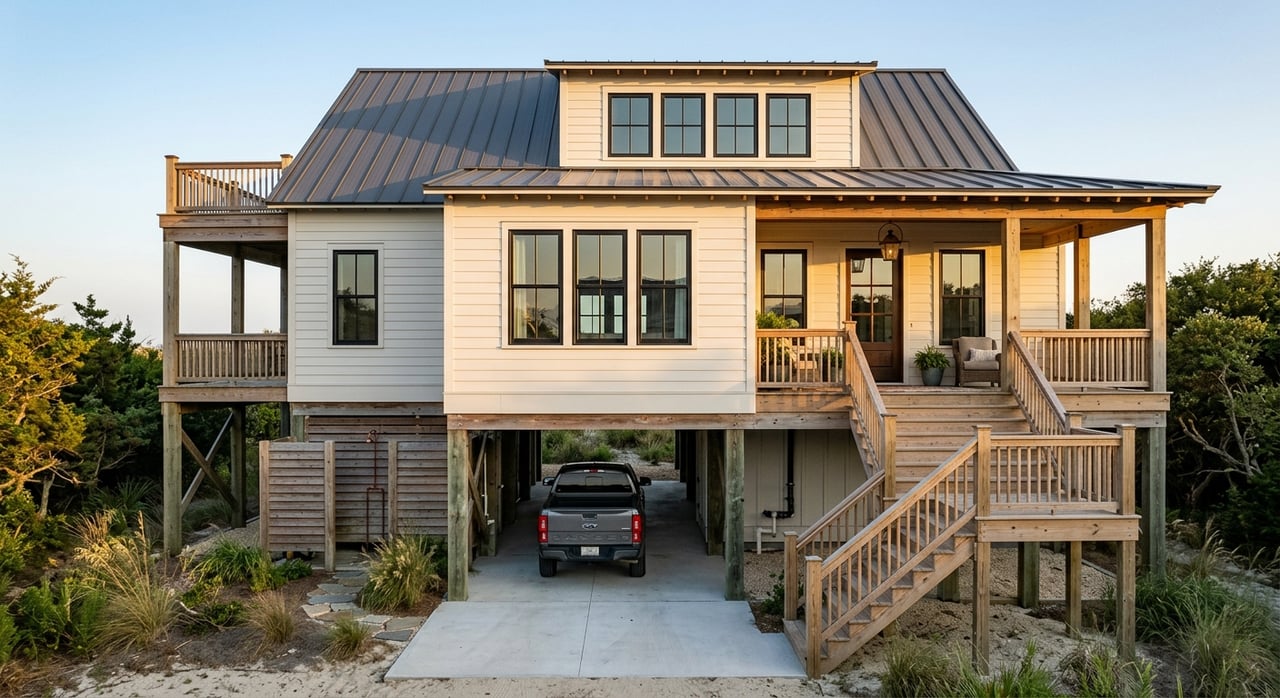
Beach-home ownership often sounds carefree, but the maintenance side deserves real attention. Coastal conditions like salt spray and onshore winds can accelerate corrosion on metal fasteners and connectors. In practical terms, homes near the ocean often need more frequent exterior upkeep than inland properties.
That means you should look closely at exposed components such as railings, doors, HVAC equipment, and other metal elements. It is also smart to pay attention to whether materials appear suited for a coastal environment. If you are buying a retreat for long weekends and seasonal use, planning ahead for maintenance can help you avoid expensive surprises later.
Think About Shoreline Change
Tybee’s shoreline is not static. NOAA has noted dune erosion on the island, and the city’s shoreline materials describe sand replacement as part of storm-damage reduction efforts. For buyers, that is a reminder that coastal resilience work is part of the landscape here.
This does not mean you should avoid buying on Tybee. It does mean you should approach the island with realistic expectations about shoreline management, environmental protections, and long-term ownership planning. A beach retreat here is as much about understanding the coast as it is about enjoying it.
Treat Rental Potential Carefully
If you hope your beach retreat will also generate short-term rental income, do not make assumptions. Tybee’s short-term rental rules are strict, and they are important to verify before you write an offer. The city defines a short-term rental as a rental for fewer than 30 consecutive days, requires a certificate, and renews certificates annually.
The city also requires monthly remittance of a 7% local occupational room tax. Even more importantly, zoning plays a major role in what is possible. According to the city’s current FAQ, no new short-term rentals are allowed in R-1, R-1B, and R-2 residential zoning districts, except for limited grandfathered situations.
Existing permitted short-term rentals in those districts are treated as nonconforming uses. The city says those uses must meet a 60-day rental requirement in the previous 12 months to remain eligible, and permits in residential districts are generally not transferable after a sale. That means a property’s past rental history does not automatically mean you can continue the same use after closing.
The city also warns that its short-term rental ordinances are not yet fully codified and may change. If rental use is part of your goals, you should confirm zoning, current certificate status, transferability, management requirements, and tax compliance before moving forward. On Tybee, rental strategy is very much a property-by-property decision.
How to Buy Smarter on Tybee
A strong Tybee purchase starts with matching the property to the way you actually plan to use it. If your priority is peaceful personal use, you may want to focus first on setting, access, noise level, parking convenience, and maintenance demands. If rental income matters, you will need a more detailed review of zoning and permit realities.
As you narrow your options, it helps to ask practical questions like these:
- How easy is access during peak season?
- What is parking like for you and your guests?
- Is the property in a flood zone that changes insurance costs?
- Does the home show signs of coastal wear?
- What beach area best fits your lifestyle?
- If rental use matters, what is the current permit and zoning status?
The right beach retreat on Tybee is usually the one that fits your lifestyle first and your financial expectations second. Buyers who go in with clear eyes tend to make better long-term choices.
Why Local Guidance Matters
Tybee can be a wonderful fit if you want beach access, historic character, and proximity to Savannah. But it is also a market shaped by seasonal crowds, paid parking, flood considerations, maintenance demands, and a tightly regulated short-term rental environment. Those details are manageable when you understand them early.
That is where thoughtful local guidance can make a real difference. When you are comparing island areas, weighing ownership costs, and sorting through use restrictions, having a team that understands both Savannah and Tybee can help you move with more confidence. If you are thinking about buying a beach retreat on Tybee Island, Kati Ann Wright can help you evaluate the island with both lifestyle and long-term value in mind.
FAQs
What makes Tybee Island different from other Savannah-area markets?
- Tybee is a compact barrier-island market with one main road in and out, public beaches, enforced paid parking, and a long visitor season that feels more like a resort town than a suburban neighborhood.
What should buyers know about parking on Tybee Island?
- The city says parking is enforced year-round from 8 a.m. to 8 p.m., including weekends and holidays, with current rates of $4 per hour and reduced off-season rates of $2 per hour from November 1 through February 28.
What types of homes can you find on Tybee Island?
- Tybee includes a mix of historic cottages, historic district homes, condo communities, and resort-oriented properties, with different areas offering different levels of activity and character.
What should buyers know about flood insurance on Tybee Island?
- Flood insurance is separate from homeowners insurance, may be required in mapped flood areas for certain loans, and usually has a 30-day waiting period before coverage takes effect.
Can you use any Tybee Island beach home as a short-term rental?
- No. The city has strict short-term rental rules, zoning restrictions, certificate requirements, and limits on transferability, so rental use should always be verified for the specific property before closing.
What is the best Tybee Island area for a quieter beach retreat?
- Buyers often look closely at North Beach, Fort Screven, and the Strand or Back River areas when they want a setting with more history or a lower-intensity feel than South Beach.